REDOX Metabolites
VIDEO: How is NAD produced?
What are NADs?
NADs (nicotinamide adenine dinucleotides) are essential molecules that help signal and convert energy from sugars and fats into a form that muscles and other tissues can use. They exist in four forms: NAD+, NADH, NADP+, and NADPH. The balance of these molecules in different cells and tissues determines how nutrients are used for energy production, growth, and repair.
NAD+ is the oxidized form, vital for energy metabolism and cellular repair.
NADH, the reduced form, is responsible for donating electrons to fuel energy production in mitochondria.
NADP+ is the oxidized form involved in anabolic reactions, such as building molecules.
NADPH, the reduced form, actively safeguards cells from oxidative damage.
NADs regulate and repair living organisms
NADs are necessary to all forms of life – from bacteria and plants to animals and humans – by sustaining biochemical processes in every cell and tissue. In human health, NADs facilitate energy transfer between chemical reactions and support growth and repair functions. These processes drive hundreds of biochemical reactions in our tissues, meaning that any prolonged imbalance in NAD levels can lead to serious health consequences.

What is glutathione?
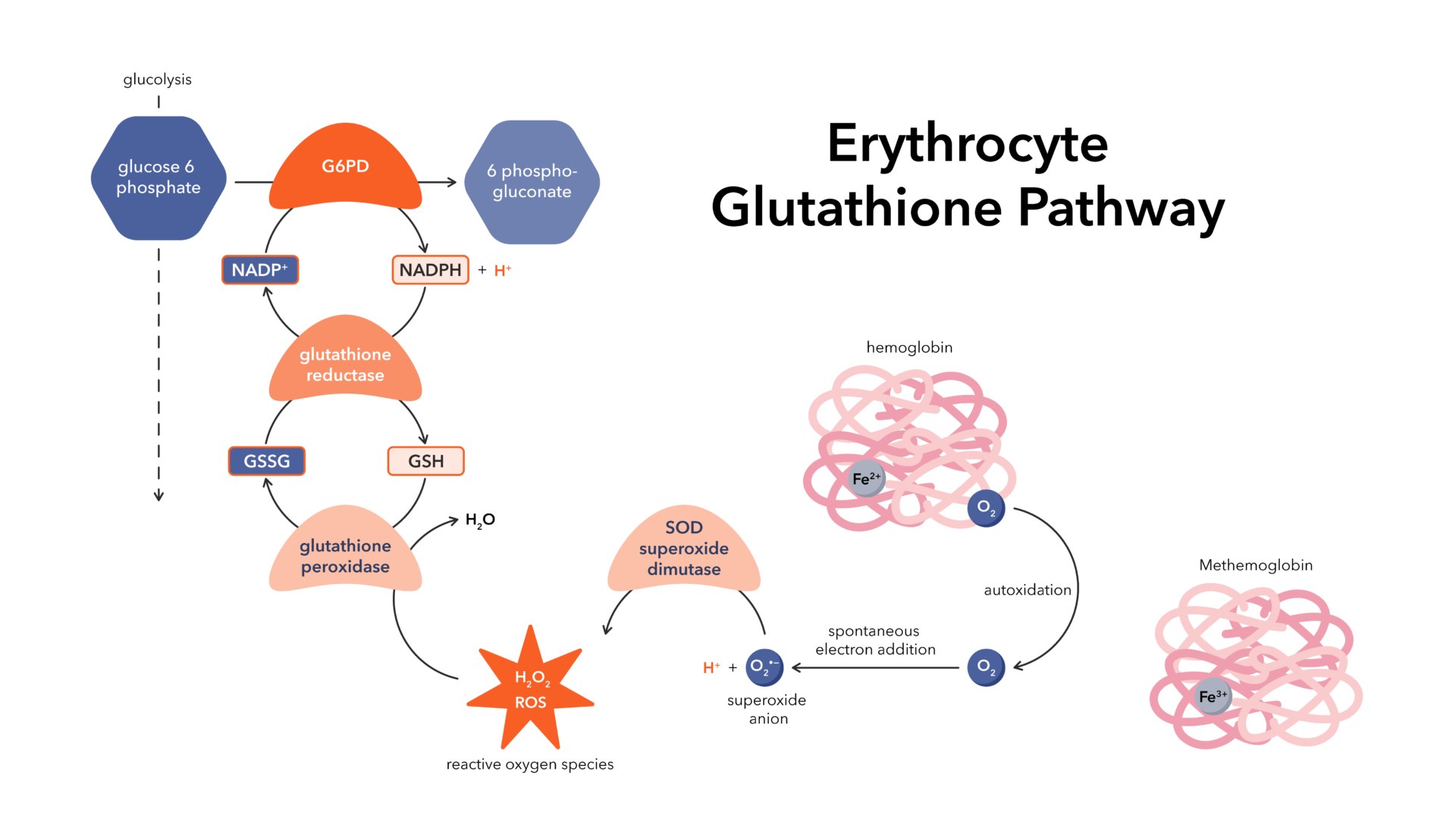
Glutathione is a tripeptide made from three amino acids: cysteine, glutamate, and glycine. It exists in two forms: GSSG (oxidized) and GSH (reduced). Working as a powerful antioxidant, glutathione neutralizes reactive oxygen species (ROS) generated by oxidative stress, which is a natural byproduct of oxygen-dependent metabolism. Beyond its antioxidant role, glutathione plays a vital part in regulating metabolism. Glutathione and NADPH are closely connected, as glutathione depends on NADPH to recycle back to its reduced, active form.
Why measure NAD?
NADs are the active forms of vitamin B3 (niacin) in the body and are essential for regulating over 500 redox enzymes that control metabolism. Without sufficient B3, the body cannot produce adequate NADs, which leads to metabolic dysfunction. This makes NADs vital biomarkers for assessing metabolic and mitochondrial health.
Below are just a few examples of how different user groups can benefit from measuring NAD.

VIDEO: NADs and their importance
Practitioners
Despite its central role in health and disease, metabolism remains underexplored in routine medical practice. Many physicians focus on treating symptoms or managing conditions without fully addressing the underlying metabolic pathways that influence them. This gap stems partly from traditional medical training, which prioritizes structural approach over the dynamic biochemical processes that sustain life.
However, a new era of precision medicine is emerging, driven by advances in fields like metabolomics and systems biology. These tools enable deeper insights into individual metabolic profiles, uncovering biomarkers for early diagnosis, personalized treatments, and preventative care.
Researchers
REDOX metabolites have traditionally been measured using mass spectrometry (MS), which, while effective for many applications, falls short for redox analysis. MS accurately quantifies only oxidized forms, estimating reduced forms due to the low volume and instability of reduced metabolites. This limitation stems from the MS layout and the inherent instability of redox metabolites.
Existing measuring kits face similar challenges with reduced forms and are not designed for blood samples. For research, it is crucial to measure both oxidized and reduced forms of NAD to determine their ratio, offering deeper insights into mitochondrial function and cellular health.
Pharma & CROs
Drug development is a complex process, with nine out of ten drugs failing to reach the market. Phase 1 clinical trials, which test safety, dosage, and side effects, often expose unexpected issues like toxicity and poor pharmacokinetics halting progress. These trials are essential but costly, often consuming millions of dollars.
In Phase 1 trials, metabolomics aids in understanding a drug’s pharmacokinetics and pharmacodynamics by tracking how the body metabolizes the drug and how it impacts metabolic pathways. Integrating metabolomics into the drug development process enhances the ability to identify potential risks and refine drug candidates, ultimately reducing costly failures and accelerating the pathway to market.
Consumers
NADs are often mistakenly viewed as just another supplement, but they are, in fact, very potent molecules with profound effects on the body. Their impact on health extends far beyond what is commonly understood, influencing everything from metabolism to cellular repair and signaling. Low NAD concentrations can contribute to persistent fatigue and may reveal underlying metabolic or mitochondrial dysfunctions. Being aware of NAD deficiencies can help identify potential health issues early and guide effective interventions.
NAD supplementation is more than just a boost; it can play a crucial role in disorders characterized by significant energy loss, while also optimizing overall health. However, excessive supplementation without proper monitoring can disrupt metabolic balance and may have harmful effects, underlining the importance of accurate measurement and tailored dosing.
Imbalanced NAD levels have been linked to a wide range of health conditions, including:

Metabolic diseases
Mitochondrial diseases
Cancer
Neurodegenerative diseases
(e.g., Alzheimer’s and Parkinson’s)
Inflammatory conditions (e.g., Long COVID)
Cardiovascular diseases
Glaucoma
The NAD+/NADH ratio
Measuring NAD+ alone doesn’t give the full picture of mitochondrial health. It’s the balance between NAD+ and NADH, known as the redox ratio, that reveals how well mitochondria are functioning. A high NAD+/NADH ratio typically signals healthy energy production, while an imbalance may be a sign of a metabolic or mitochondrial disorder. NADMED is the only company on the market offering a reliable, easy-to-use solution for measuring both NAD+ and NADH.
Why measure glutathione?
Glutathione is needed for protecting cells from oxidative damage and regulating metabolism. Elevated oxidative stress or insufficient glutathione levels can lead to a variety of health issues, such as chronic inflammation, cardiovascular diseases, and certain cancers. Measuring glutathione reveals how efficiently the body neutralizes oxidative stress and shields its cells from damage.

Why measure both NADs and glutathione?
NAD+ levels indicate vitamin B3 status and serve as a biomarker for B3 deficiency, while NADP+, NADPH, and glutathione levels reflect oxidative stress in the body. Measuring both NADs and glutathione offers a detailed view of cellular function, assessing not only energy production but also the body’s capacity to combat oxidative damage.